Ultrasafe Low‑Flow Systems
A modern, BS 9251:2021 compliant upgrade for outdated low flow cylinder systems
If your property has an Ultrasafe Low Flow system, it may need urgent attention
Between 2005 and 2018, many homes across the UK were fitted with an Ultrasafe Low‑Flow system. These systems used pressurised cylinders and mist heads instead of traditional sprinklers.
At the time, they were innovative but today they face unavoidable problems
In order to comply with the The Pressure Equipment (Safety) Regulations 2016, a pressure stretch test (to 1.5 x operating pressure) should be conducted on each cylinder every 10 years. The regulation also requires the removal of old components and replacement with newer Fire Sprinkler components that improve the reliability of the system in line with current fire safety regulations.
Hydrostatic Testing must be undertaken by individuals or companies accredited to EN ISO 17020. Hydrostatic testing involves pressurizing a vessel to typically 1.5 times its working pressure. During this process a failure can lead to a catastrophic rupture, causing significant injury or death, due to the high amount of stored energy. Therefore this process must not be conducted on site or at home. Ensure that the testing is conducted according to recognised standards and guidelines, which are essential for maintaining safety and compliance in pressure-containing systems.

We Give You a Direct Replacement, Without Major Building Works
We developed a purpose built replacement solution a drop‑in upgrade to your system designed specifically for properties fitted with Ultrasafe Low Flow systems.
From our initial assessment we can confirm:
1. Whether your cylinders are due for testing
2. Whether your system is compliant
3. Whether an upgrade is recommended
4. The exact cost of replacing your low‑flow system
Your upgrade includes:
- Removal of the original cylinder‑based low flow unit
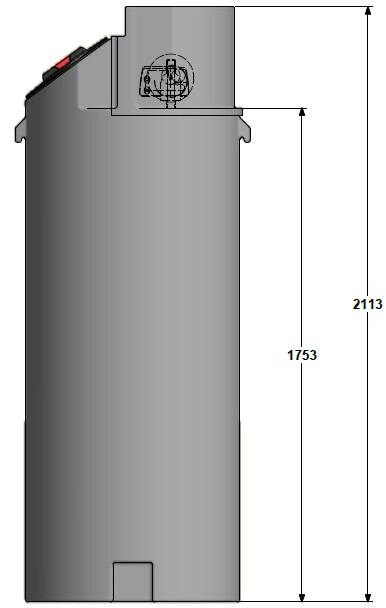
- Installation of a compact integrated pump & tank system with a similar footprint
- Replacement of mist heads with residential sprinkler heads in the existing positions
- Full System check and integrity testing
- Full recommissioning and certification to BS 9251:2021
- Minimal disruption, typically completed within a single visit
We give you a modern, compliant, reliable sprinkler system without redesigning your property or carrying out invasive works